
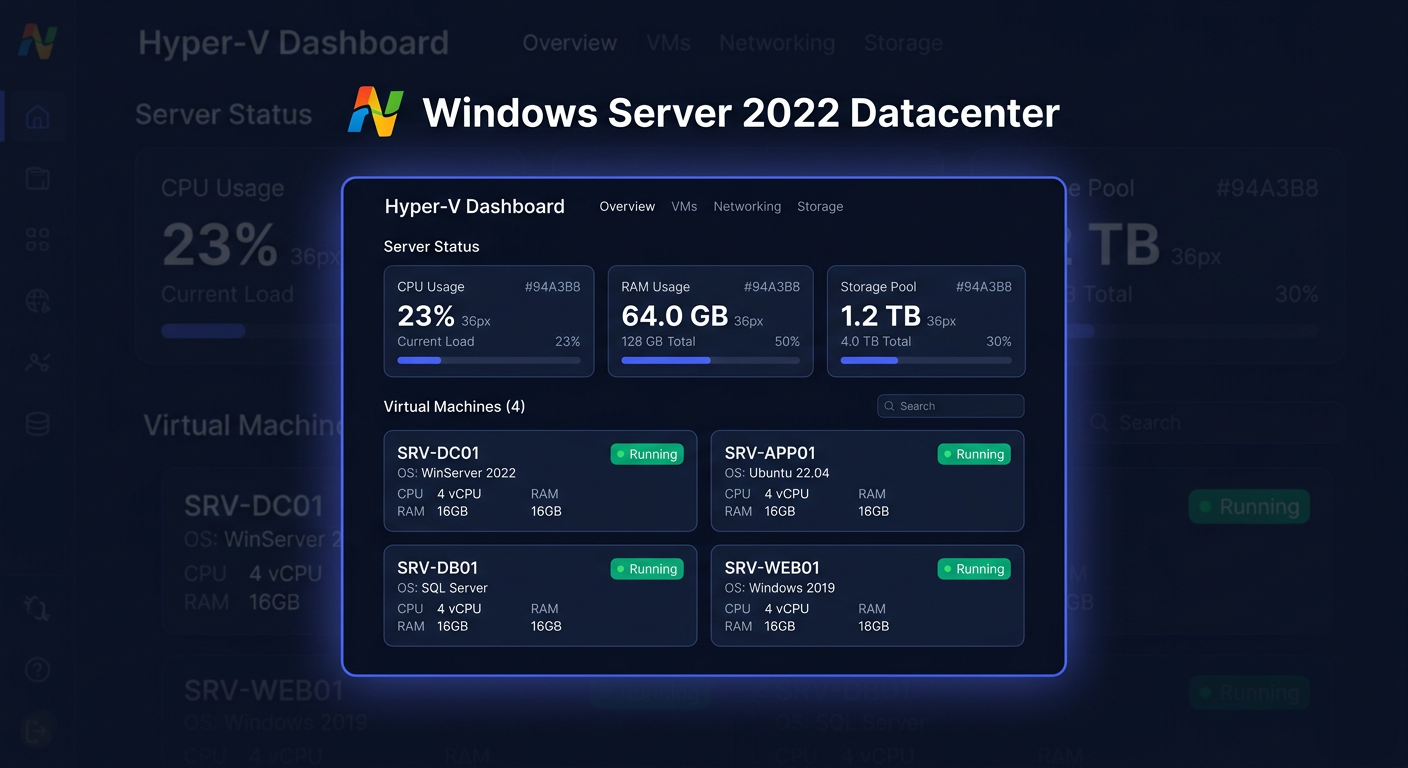
Aktywacja Windows Server 2022 50 Device CAL
Aktywacja Windows Server 2022 50 Device CAL to jeden z ważnych etapów poprawnego wdrożenia środowiska serwerowego w firmie. Licencje Device CAL są przeznaczone dla konkretnych urządzeń, które łączą się z serwerem, niezależnie od liczby użytkowników korzystających z danego sprzętu. To dobre rozwiązanie tam, gdzie z jednego komputera pracuje kilka osób, na przykład w biurach zmianowych, magazynach, recepcjach czy punktach obsługi.
W praktyce warto pamiętać, że CAL nie aktywuje się tak samo jak sam system Windows Server. W wielu przypadkach nie chodzi o wpisanie klucza bezpośrednio w ustawieniach serwera, lecz o poprawne przypisanie licencji, zachowanie dokumentacji zakupu i zgodność liczby urządzeń z posiadanym pakietem. Jeśli kupujesz pakiet 50 Device CAL, oznacza to prawo dostępu dla maksymalnie 50 urządzeń do usług Windows Server 2022. Jeśli potrzebujesz sprawdzonego źródła zakupu, zobacz Kup Microsoft Windows Server 2022 50 Device CAL w KluczeSoft.
Krok po kroku
-
Sprawdź, jaki typ licencji został zakupiony
Upewnij się, że posiadasz dokładnie Windows Server 2022 Device CAL, a nie User CAL. To istotne, ponieważ Device CAL przypisywana jest do urządzenia, a nie do konkretnego pracownika. Jeśli w firmie z jednego komputera korzysta kilka osób, zwykle będzie to właściwy wybór. -
Zweryfikuj liczbę urządzeń w organizacji
Pakiet 50 Device CAL obejmuje maksymalnie 50 urządzeń mających dostęp do serwera. Przed wdrożeniem warto sporządzić listę komputerów, terminali lub innych urządzeń, które będą łączyć się z usługami serwera. Dzięki temu łatwiej zachować porządek licencyjny. -
Zachowaj klucz, fakturę i potwierdzenie zakupu
W przypadku licencji dostępowych bardzo ważna jest dokumentacja. Klucz licencyjny, certyfikat, wiadomość e-mail z dostawą licencji oraz faktura powinny być przechowywane w bezpiecznym miejscu. To podstawa przy ewentualnej kontroli lub audycie licencyjnym. Jeśli chcesz uporządkować dokumenty zakupowe, sprawdź poradnik: Jak otrzymać fakturę VAT za zakup klucza licencyjnego w KluczeSoft. -
Zainstaluj i aktywuj sam Windows Server 2022
Najpierw aktywowany musi być system operacyjny serwera. Można to zrobić z poziomu ustawień systemu albo przez polecenia administracyjne, zależnie od sposobu wdrożenia. CAL nie zastępuje licencji serwera, lecz ją uzupełnia. Jeżeli potrzebujesz pełnej instrukcji, zobacz Microsoft Windows Server 2022 50 Device CAL – Instalacja, aktywacja, konfiguracja. -
Skonfiguruj role i usługi, z których będą korzystać urządzenia
Po aktywacji serwera należy skonfigurować środowisko pracy: udziały sieciowe, Active Directory, zasady dostępu, zdalny dostęp lub inne usługi. Licencje CAL obejmują prawo dostępu do usług Windows Server, dlatego konfiguracja środowiska powinna odpowiadać rzeczywistej liczbie urządzeń. -
Przypisz licencje wewnętrznie do urządzeń
W przypadku Device CAL kluczowe jest przypisanie licencji do konkretnych urządzeń w organizacji. Nie zawsze odbywa się to przez automatyczne „nabicie” licencji w panelu systemowym. Często jest to proces administracyjny i dokumentacyjny, który polega na prowadzeniu ewidencji urządzeń objętych licencją. -
Jeżeli używasz usług pulpitu zdalnego, sprawdź osobne wymagania
Jeżeli serwer ma obsługiwać Remote Desktop Services, standardowe Windows Server CAL mogą nie wystarczyć. W takim przypadku mogą być potrzebne dodatkowe licencje RDS CAL. To częsty punkt nieporozumień, dlatego warto to potwierdzić przed wdrożeniem. W takim scenariuszu sprawdź Microsoft Windows Server 2022 RDS 10 User CAL - zobacz w sklepie. -
Wykonaj test dostępu z kilku urządzeń
Po wdrożeniu dobrze jest sprawdzić, czy urządzenia poprawnie łączą się z serwerem, widzą zasoby i działają zgodnie z uprawnieniami. Test praktyczny pozwala szybko wykryć błędy konfiguracji.
Sprawdzenie
Po wdrożeniu warto zweryfikować trzy obszary.
Po pierwsze, sprawdź, czy Windows Server 2022 jest aktywowany. Można to potwierdzić w ustawieniach aktywacji systemu lub za pomocą narzędzi administracyjnych.
Po drugie, upewnij się, że liczba urządzeń korzystających z serwera nie przekracza 50. Dotyczy to wszystkich urządzeń mających dostęp do usług objętych licencjonowaniem.
Po trzecie, skontroluj dokumentację:
- fakturę zakupu,
- wiadomość z dostarczeniem licencji,
- klucz lub dane licencyjne,
- wewnętrzną listę urządzeń przypisanych do CAL.
Dobra praktyka to stworzenie prostego rejestru, w którym zapiszesz nazwę urządzenia, użytkowany dział, datę przypisania licencji oraz ewentualne wycofanie sprzętu z użycia. Taka ewidencja znacząco ułatwia późniejsze zarządzanie. Dodatkowe odpowiedzi na najczęstsze pytania znajdziesz tutaj: FAQ: Microsoft Windows Server 2022 50 Device CAL.
Problemy
Najczęstszy problem to pomylenie Device CAL z User CAL. Jeśli licencja została dobrana nieprawidłowo, firma może mieć formalnie niewłaściwy model dostępu mimo posiadania odpowiedniej liczby stanowisk.
Drugim częstym problemem jest założenie, że CAL działa jak zwykły klucz aktywacyjny systemu. W rzeczywistości licencja dostępowa często oznacza przede wszystkim prawo do korzystania, które trzeba poprawnie udokumentować i przypisać.
Kolejna kwestia to brak kontroli liczby urządzeń. W środowiskach, które szybko się rozwijają, łatwo przekroczyć limit 50 urządzeń. Dlatego warto regularnie aktualizować listę sprzętu.
Problemy pojawiają się też przy usługach zdalnych. Administratorzy czasem zakładają, że zwykła CAL wystarczy do wszystkich scenariuszy pracy. Jeśli jednak użytkownicy łączą się przez pulpity zdalne, może być wymagane osobne licencjonowanie RDS.
Jeżeli podczas konfiguracji pojawią się błędy aktywacji lub problemy z uprawnieniami, pomocne mogą być też poradniki dotyczące typowych komunikatów, na przykład Blad 0x8007007B. Jeżeli nie masz pewności, czy wdrożenie zostało wykonane prawidłowo, możesz też od razu Wyslij zgloszenie do wsparcia.
FAQ
Czy Windows Server 2022 50 Device CAL aktywuje się wpisaniem klucza w systemie?
Nie zawsze. W wielu przypadkach CAL oznacza prawo dostępu licencyjnego i wymaga poprawnej dokumentacji oraz przypisania do urządzeń, a nie jedynie wpisania klucza w panelu aktywacji.
Czym różni się Device CAL od User CAL?
Device CAL przypisuje się do urządzenia, a User CAL do konkretnego użytkownika. Device CAL jest korzystna tam, gdzie z jednego komputera korzysta kilka osób.
Czy 50 Device CAL wystarczy dla 50 pracowników?
Niekoniecznie. Ta licencja obejmuje 50 urządzeń, a nie 50 osób. Jeżeli pracownicy korzystają z większej liczby komputerów, terminali lub innych sprzętów, trzeba liczyć właśnie urządzenia.
Potrzebujesz legalnej licencji i szybkiego wdrożenia? Zobacz ofertę Kup Microsoft Windows Server 2022 50 Device CAL w KluczeSoft i dobierz właściwy pakiet do swojej infrastruktury.
Gdzie kupić oryginalny klucz
Potrzebujesz legalnego klucza? Sprawdź oferty w sklepie kluczesoft.pl:
Wszystkie klucze są fabrycznie nowe, dostarczane elektronicznie z fakturą VAT.
<!-- IL-V1 -->Powiązane artykuły
- Aktywacja Windows Server 2022 RDS 50 Device CAL — Jak aktywowac Windows Server 2022 RDS 50 Device CAL.
- Aktywacja Windows Server 2022 50 User CAL — Jak aktywowac Windows Server 2022 50 User CAL.
- Aktywacja SQL Server 2022 Standard 50 Device CAL — Jak aktywowac SQL Server 2022 Standard 50 Device CAL.
- Aktywacja Windows Server 2022 RDS 10 Device CAL — Jak aktywowac Windows Server 2022 RDS 10 Device CAL.
- Aktywacja Windows Server 2022 RDS 50 User CAL — Jak aktywowac Windows Server 2022 RDS 50 User CAL.